8 ChatGPT Prompt Commands That Turn Boring Answers Into Wild Visuals

Charles Snider
Founder
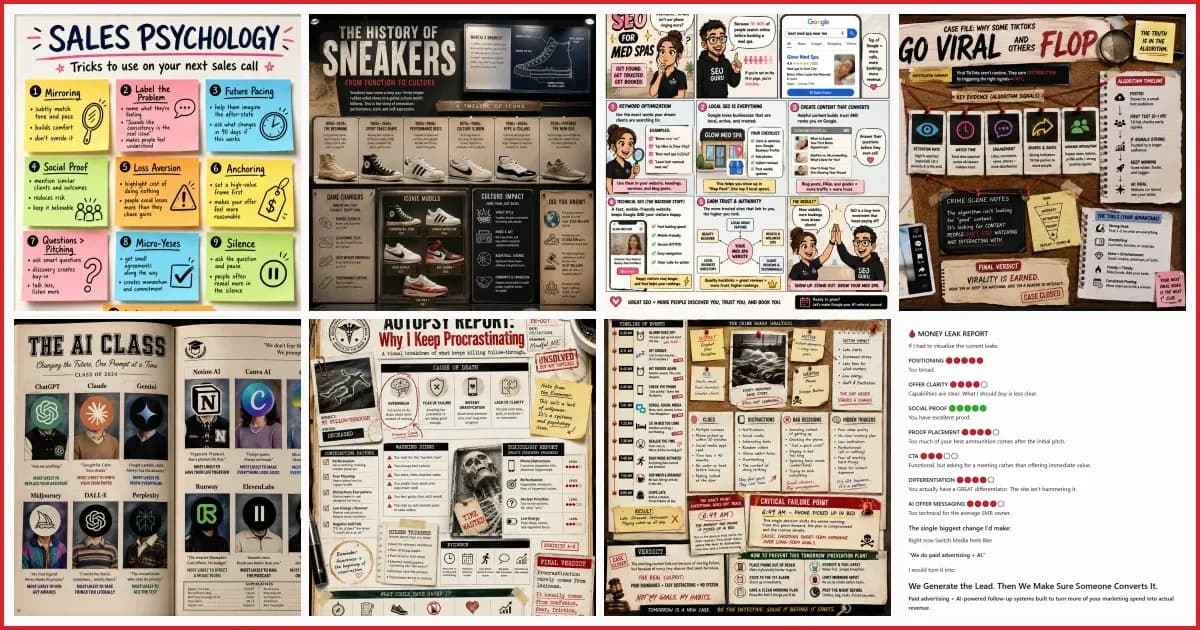
Most people use ChatGPT the exact same way.
They type a question.
ChatGPT gives them a wall of text.
They read it, copy what they need, and move on.
But ChatGPT can be much more creative than that.
Instead of only telling ChatGPT what you want to know, you can also tell it how you want to see the answer.
That's where prompts like /make-sticky-notes, /make-museum-exhibit, and /make-autopsy-report get really interesting.
Why These Work
The interesting part isn't the slash itself.
The slash doesn't unlock some hidden ChatGPT operating system.
Instead, these prompts give ChatGPT a creative framework.
Instead of asking: Explain sales psychology.
You can ask: /make-sticky-notes: Sales psychology tricks to use on your next sales call
Now you're telling ChatGPT both WHAT you want explained and HOW you want the answer presented.
Here are eight examples you can try.
1./make-sticky-notes
What It Does
Turns a complicated topic into a collection of simple visual sticky notes. Each note focuses on one important idea, lesson, tip, formula, or takeaway.
Why It's Useful
This is great when you want a topic to feel easier to understand and scan. Instead of getting one long explanation, ChatGPT breaks the information into small visual chunks. It works especially well for:
- Studying
- Marketing
- Psychology
- Personal finance
- Sales
- Fitness
- Productivity
- Training
- History
- Science
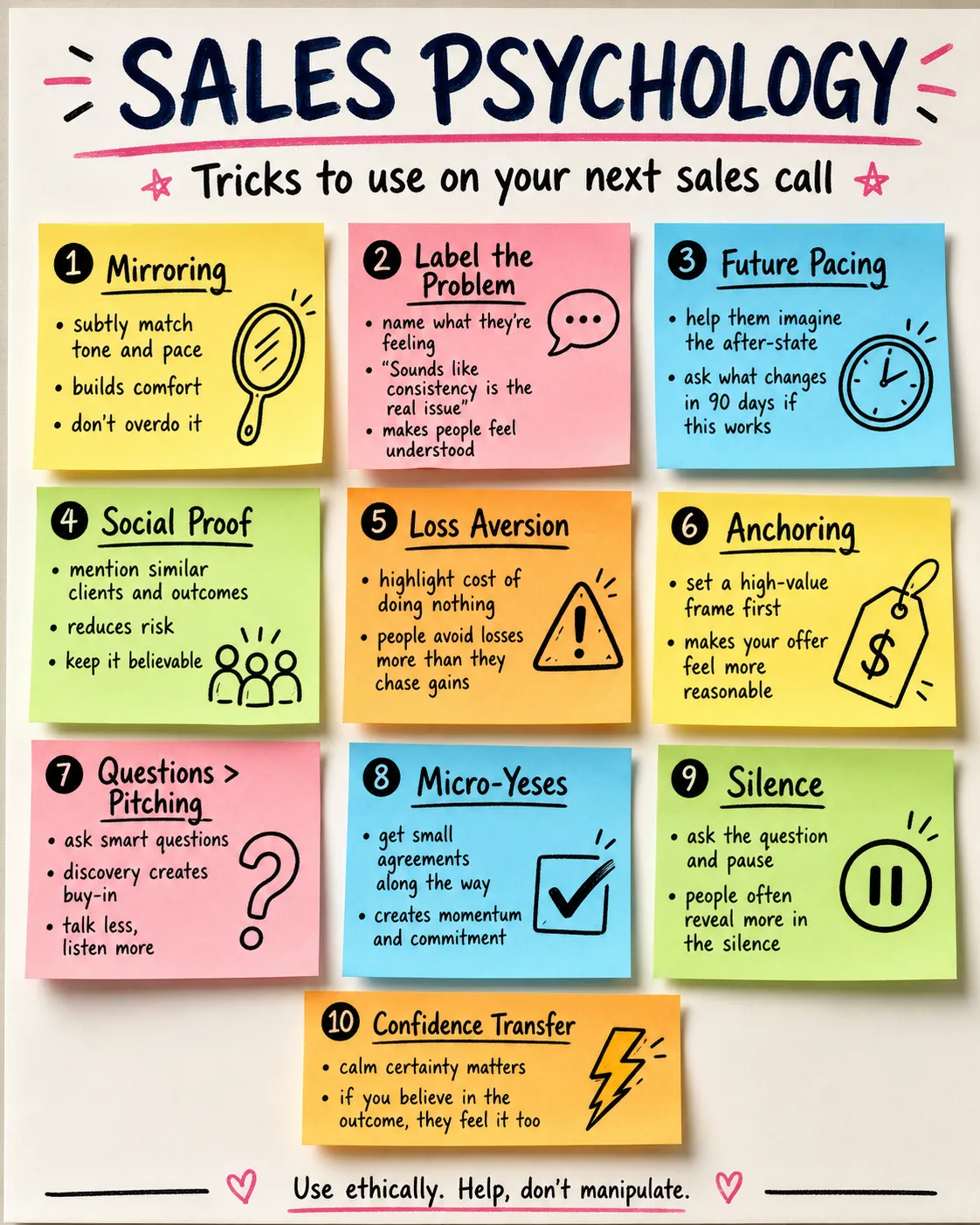
/make-sticky-notes: Sales psychology tricks to use on your next sales call. Create individual sticky notes for techniques such as social proof, mirroring, loss aversion, anchoring, open-ended questions, silence, scarcity, and framing. Keep each note short, useful, and easy to understand.
2./make-museum-exhibit
What It Does
Turns a topic into a museum-style exhibit complete with artifacts, timelines, labels, historical context, interesting facts, and visual displays.
Why It's Useful
Instead of asking ChatGPT to simply tell you the history of something, you're asking it to curate an exhibit about it. ChatGPT can organize the answer around:
- Important eras
- Major turning points
- Historical artifacts
- Famous examples
- Timelines
- Innovations
- “Did You Know?” facts
- Future predictions
This works especially well for topics that have evolved over time.
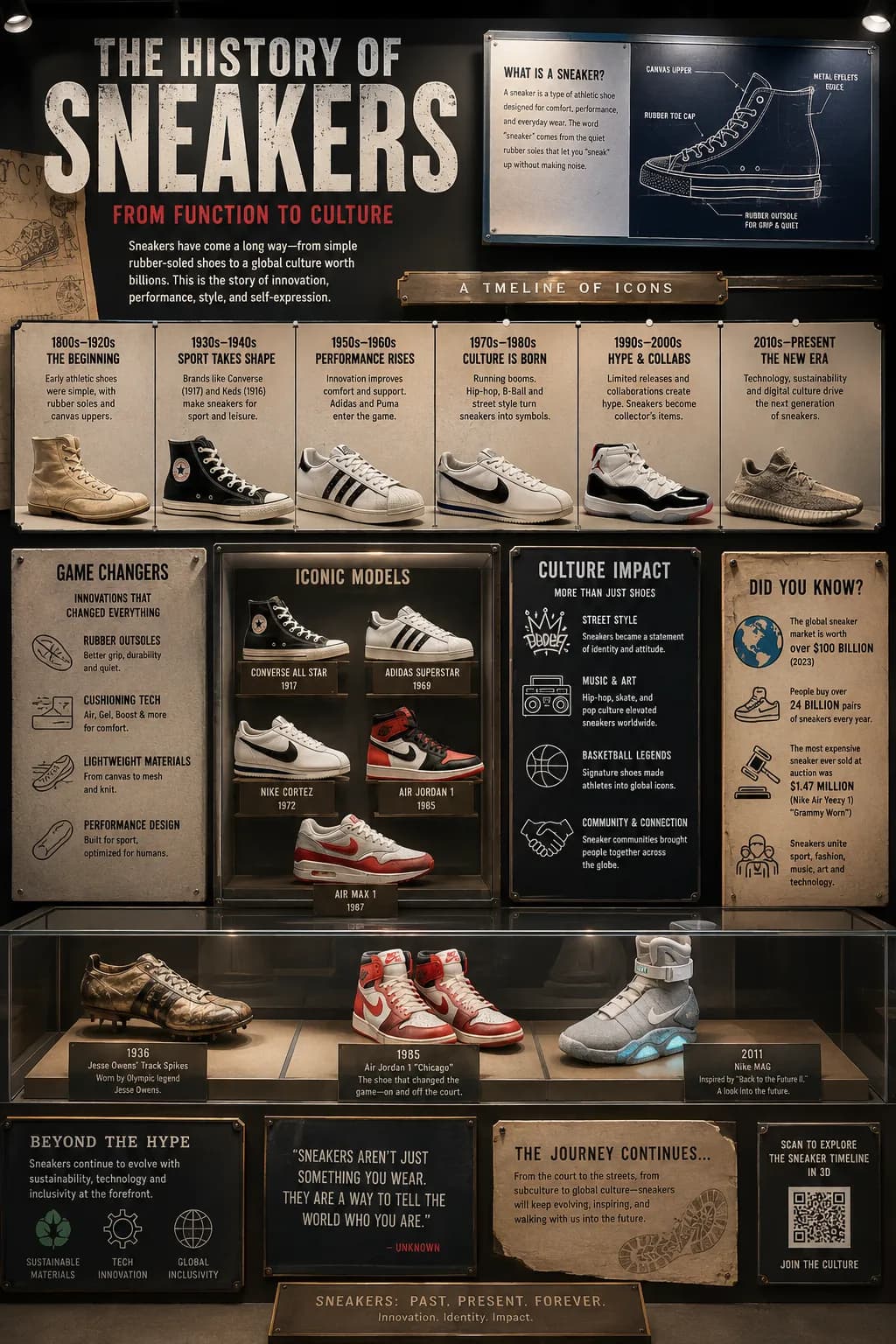
/make-museum-exhibit: The history of sneakers. Create a museum-style visual exhibit showing the evolution of sneakers from early rubber-soled shoes to modern sneaker culture. Include major eras, iconic shoes, important innovations, cultural moments, famous athletes, interesting artifacts, and a timeline.
3./make-comic-strip
What It Does
Turns an explanation, lesson, process, or story into a visual comic strip. Instead of paragraphs, ChatGPT can use characters, scenes, dialogue, captions, and speech bubbles.
Why It's Useful
This is especially useful when a subject is technical, complicated, or boring. A comic gives ChatGPT an opportunity to explain the subject through a story.
For example, instead of simply explaining SEO, you could have:
Panel 1
Business Owner: “Why can't anyone find my website?”
SEO Expert: “Let's figure out why Google isn't showing it.”
Then each comic panel teaches another part of the process.
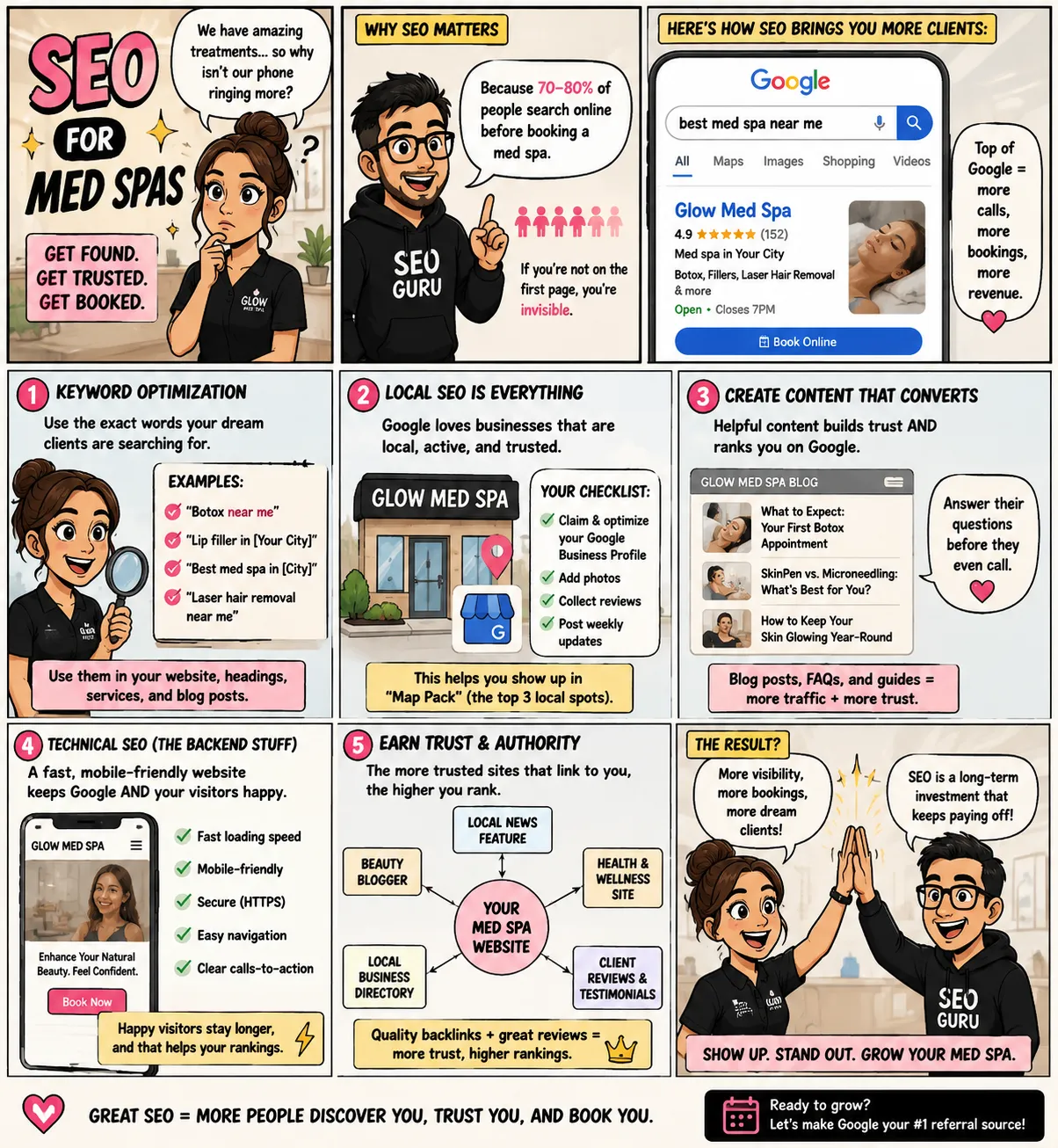
/make-comic-strip: Explain SEO for med spas as a funny comic strip. Create a med spa owner who is frustrated because nobody can find the business on Google and an SEO expert who explains keywords, Google Business Profile optimization, reviews, content, backlinks, local SEO, and website performance. End with the med spa ranking higher and getting more appointments.
4./make-evidence-board
What It Does
Turns a topic or problem into a detective-style evidence board with clues, suspects, relationships, timelines, notes, and conclusions. Think corkboard, pinned evidence, handwritten notes, arrows, and red string connecting everything together.
Why It's Useful
This format is great when multiple things contribute to one outcome. Instead of looking at each factor individually, ChatGPT visually connects them. It can help explain:
- Why content goes viral
- Why a business problem happened
- Complicated historical events
- Marketing funnels
- Customer behavior
- Competing theories
- Interconnected systems
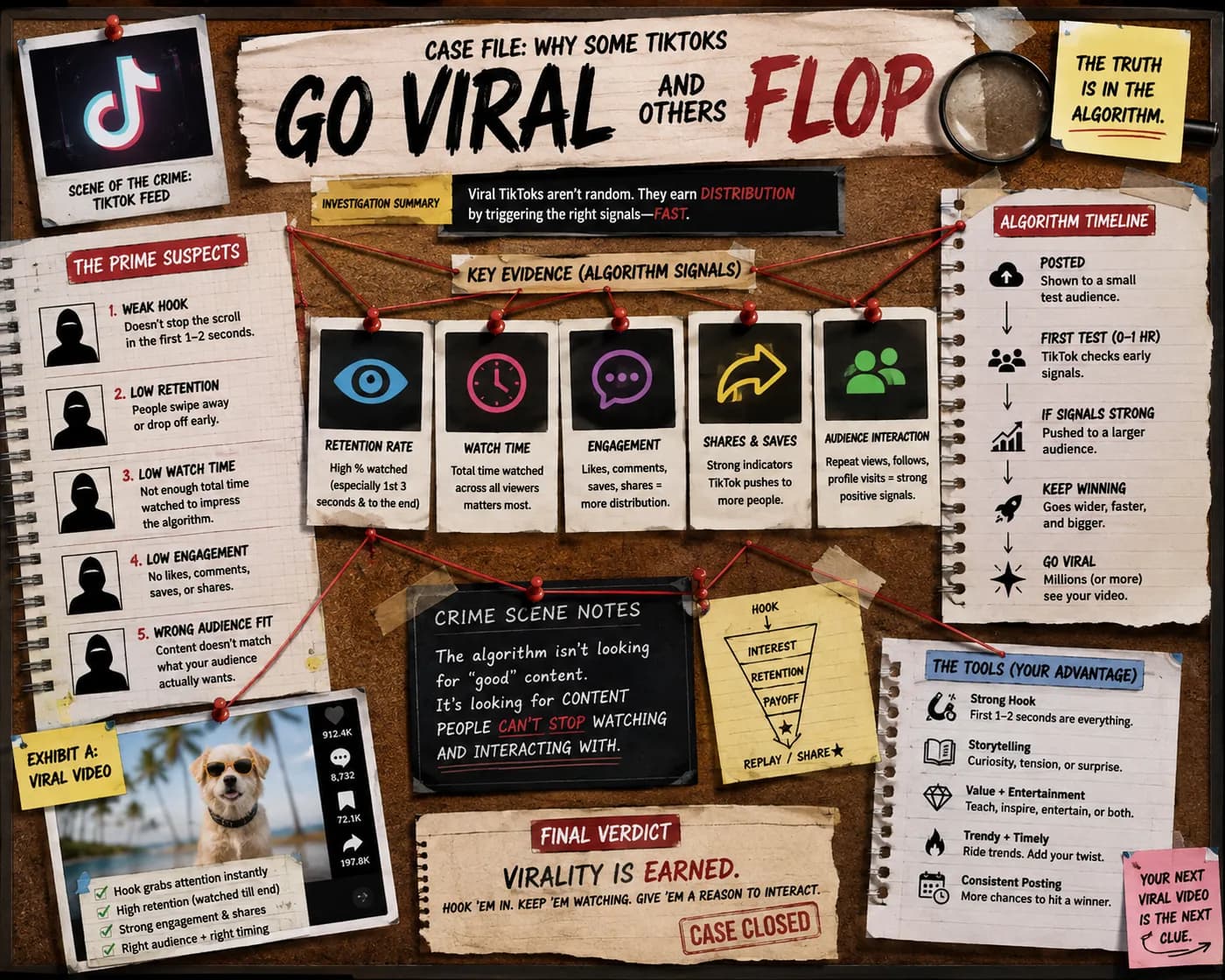
/make-evidence-board: Why some TikToks go viral and others flop. Create a detective-style evidence board identifying the major suspects and clues, including hooks, retention, watch time, rewatches, shares, saves, comments, audience relevance, keywords, trends, and early audience testing. Connect the clues and finish with the most likely explanation for why certain videos break out.
Get 25 Free Prompts in One PDF!
Save the entire cheat sheet so you can try these later.
5./make-yearbook-page
What It Does
Turns a group of people, companies, products, tools, ideas, or characters into a funny high-school-style yearbook page.
Why It's Useful
Each subject can receive:
- A portrait
- Personality
- Quote
- Short description
- Yearbook superlative
This works incredibly well for comparing things that already have recognizable personalities. Examples:
- AI tools
- Social media platforms
- Car brands
- Streaming services
- Marketing channels
- Famous entrepreneurs
- Sports teams
The format naturally creates humor and comparison.
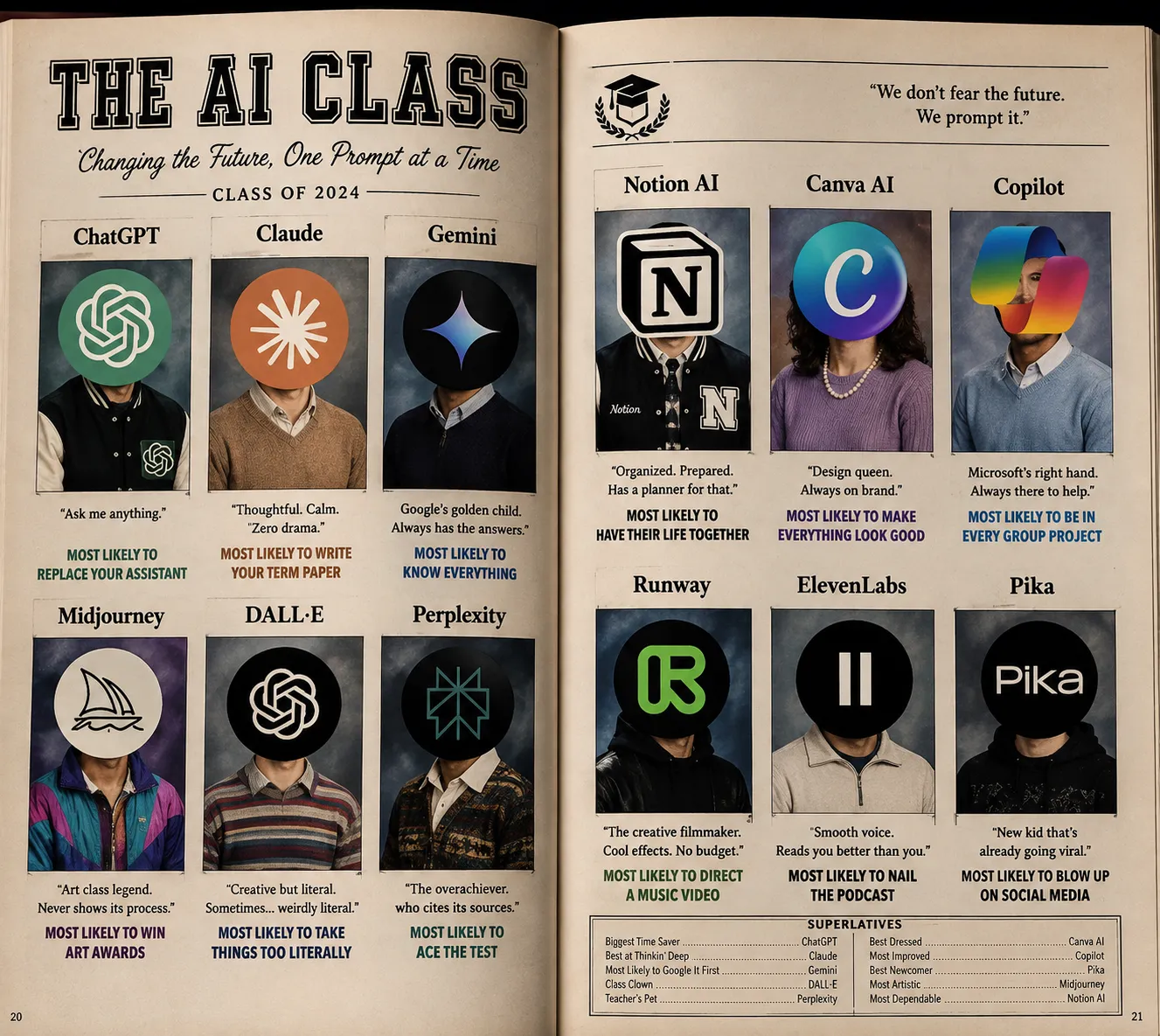
/make-yearbook-page: Turn the most popular AI tools into a funny high school yearbook page. Give each one a photo-style portrait, a short personality description, and a superlative such as "Most Likely to Replace Your Assistant," "Class Clown," "Most Likely to Start a Company," or "Most Likely to Do Your Homework." Make it look like a nostalgic school yearbook spread.
6./make-autopsy-report
What It Does
Turns a failed idea, campaign, business, website, strategy, project, or launch into a forensic-style autopsy report. The goal is to figure out: What killed it?
Why It's Useful
Instead of getting generic advice, ChatGPT can investigate the failure like a medical examiner. The analysis might include:
- Cause of death
- Contributing factors
- Warning signs
- Symptoms
- Critical failures
- Mistakes that were ignored
- What could have saved it
This is particularly useful for diagnosing something that already failed or significantly underperformed.
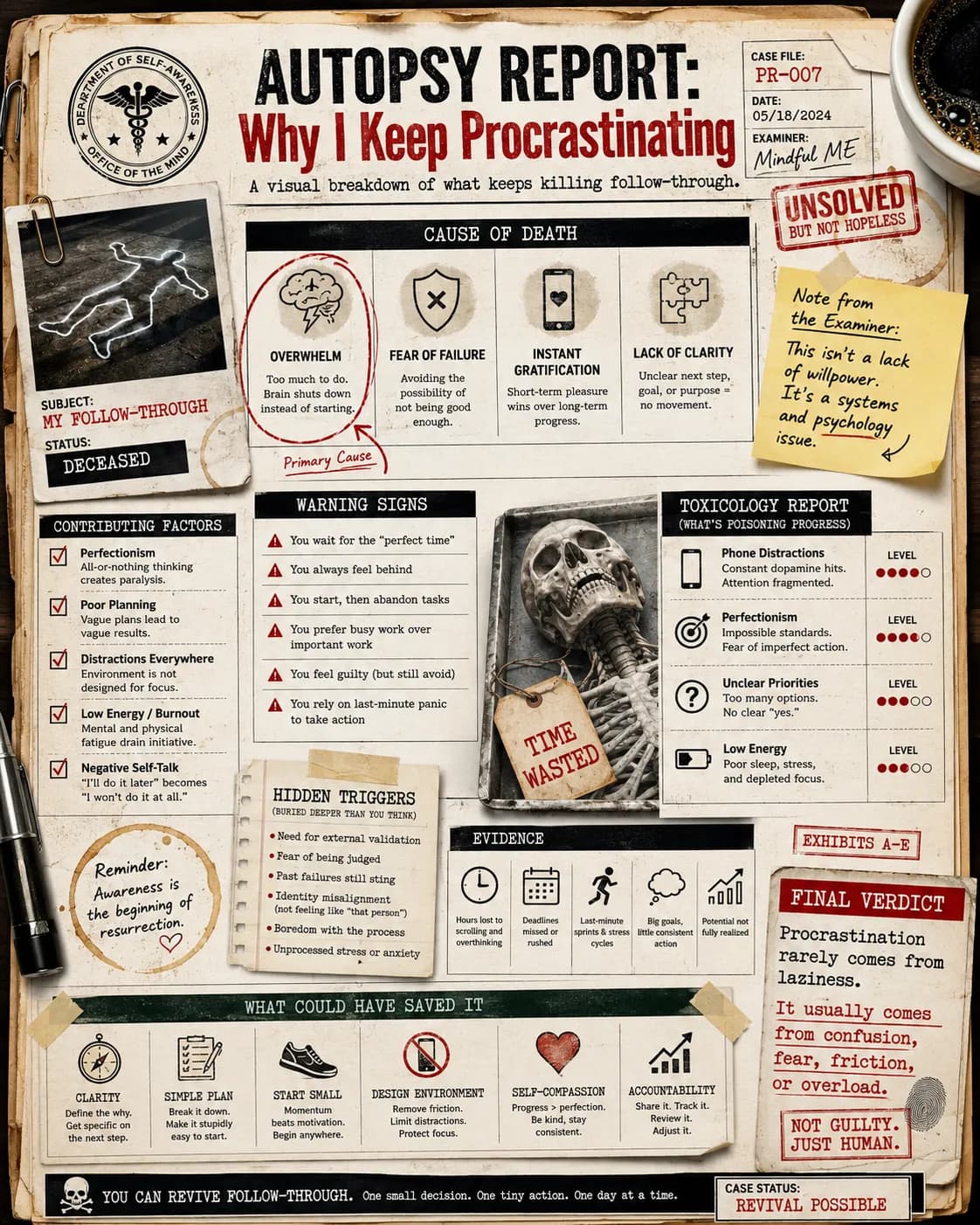
/make-autopsy-report: Perform an autopsy on my Facebook Ads campaign. It generated a lot of leads but very few became customers. Identify the cause of death, contributing factors, warning signs, critical failures, and what could have saved the campaign.
7./make-crime-scene-reconstruction
What It Does
Reconstructs how a problem happened as if investigators were rebuilding a crime scene.
Why It's Useful
This is different from /make-autopsy-report. An autopsy asks: What killed it? Crime scene reconstruction asks: How exactly did this happen? It focuses more heavily on the sequence of events. ChatGPT can analyze:
- What happened first
- The timeline
- Early warning signs
- Contributing events
- Important clues
- Missed opportunities
- The critical moment
- Final outcome
This is useful for complicated problems where one mistake caused another.
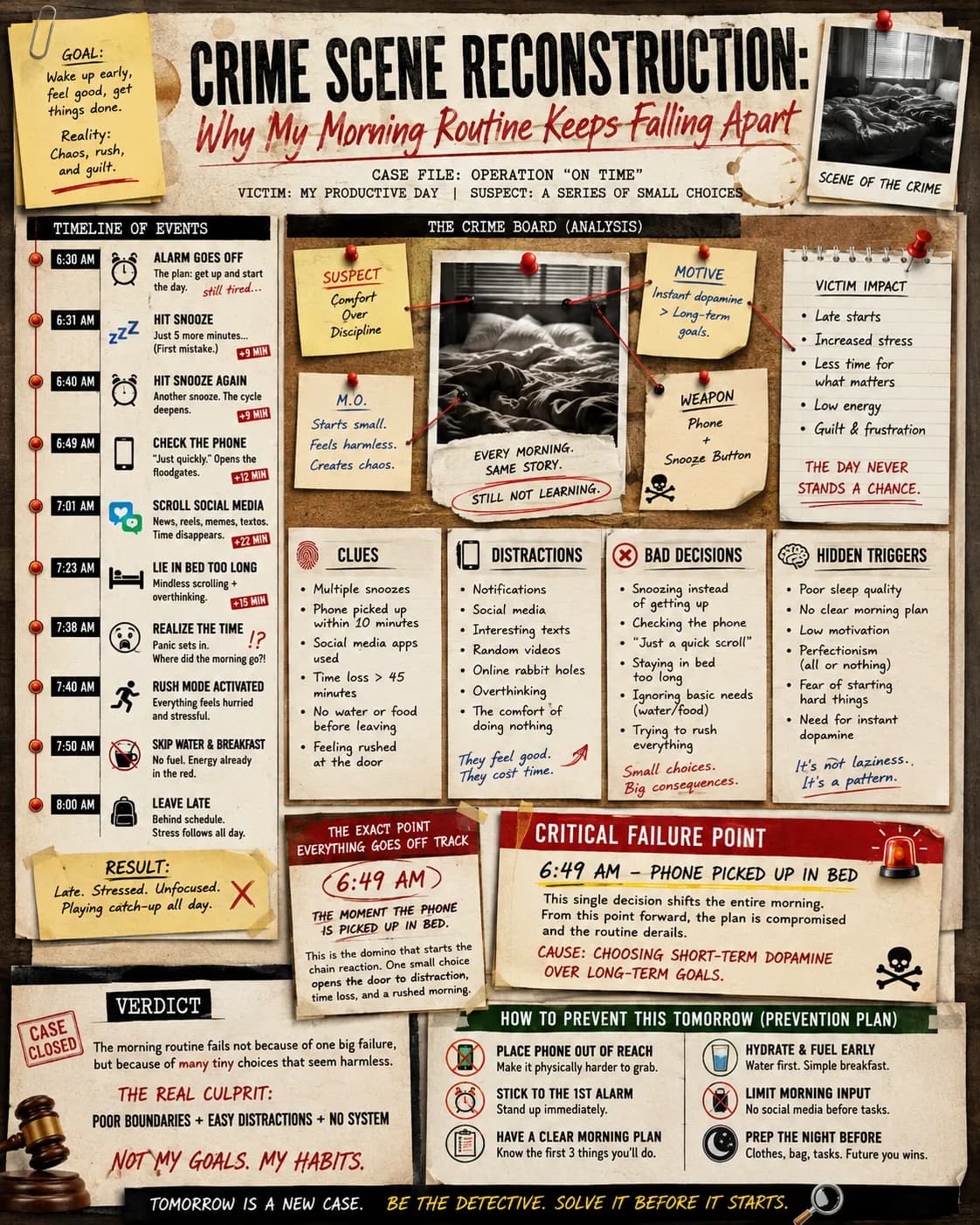
/make-crime-scene-reconstruction: Reconstruct why my sales funnel suddenly stopped converting. Analyze the journey from ad click to landing page to lead form to follow-up to sales call. Identify the clues, timeline, possible suspects, critical mistakes, and the most likely point where conversions started breaking down.
8./make-money-leak-report
What It Does
Looks for areas where a business, website, funnel, or sales process may be losing potential customers or revenue.
Why It's Useful
For a website, ChatGPT can look for potential problems such as:
- Unclear messaging
- Confusing offers
- Weak calls to action
- Missing trust signals
- Poor conversion flow
- Friction
- Bad user experience
- Missing follow-up opportunities
- Weak positioning
- Analytics
- CRM
- Accounting
- Advertising platforms
- Call tracking
- Sales data
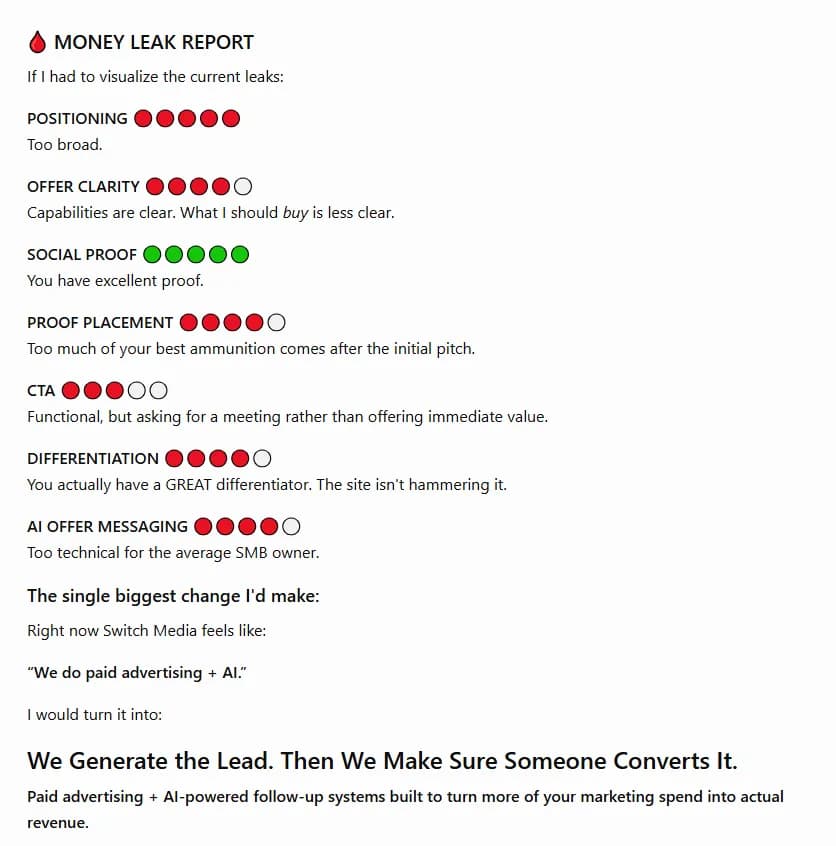
/make-money-leak-report: Analyze www.yourwebsite.com and identify where the website may be costing me customers. Look for weak offers, confusing messaging, trust issues, poor calls to action, unnecessary friction, conversion problems, and missed opportunities. Rank the biggest potential money leaks from most important to least important and tell me what I should fix first.
Want A Deeper Analysis?
If you have access to business data, try:
/make-money-leak-report: Analyze my website, advertising performance, CRM pipeline, sales numbers, and customer retention data. Identify where leads, customers, revenue, and profit appear to be leaking out of the business. Rank each potential leak by impact and recommend what I should investigate or fix first.
You Can Make Your Own ChatGPT Commands
Once you understand what's happening here, you can invent your own.
Start with a familiar visual format or thinking framework. For example:
/make-blueprint/make-treasure-map/make-black-box-recorder/make-courtroom-case/make-war-room/make-game-board/make-rpg-character-sheet/make-napkin-sketchThen tell ChatGPT what you want transformed. Example:
/make-courtroom-case: Put my business idea on trial. Create the prosecution, defense, evidence, witnesses, strongest arguments from both sides, and a final verdict.
The real trick is simple:
Don't only tell ChatGPT what you want to know. Tell it how you want to see the answer.
Copy These 8 ChatGPT Prompts
- /make-sticky-notesBest for: simplifying information
- /make-museum-exhibitBest for: history and timelines
- /make-comic-stripBest for: explaining complicated ideas
- /make-evidence-boardBest for: connecting clues and causes
- /make-yearbook-pageBest for: funny comparisons
- /make-autopsy-reportBest for: understanding why something failed
- /make-crime-scene-reconstructionBest for: understanding how something went wrong
- /make-money-leak-reportBest for: finding potential business and conversion problems
Save These Prompts Before You Forget Them
You don't have to memorize all eight. Download the free cheat sheet and keep them somewhere you can find them the next time you want ChatGPT to give you something more interesting than another wall of text.
Want more practical AI and digital marketing ideas? Browse the Switch Media blog.